

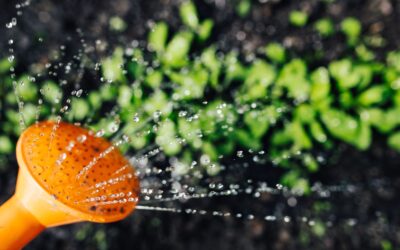
Master Gardeners Release July Gardening To-Do List
The Dallas County Master Gardener Association, Inc. (DCMGA), a division of Texas A&M AgriLife Extension, has released its Garden Task List for July.

NCTCOG Offers Clean Air Ideas for Summer Road Trips
While the thrill of hitting the open road is undeniable, it’s important to consider the impact our travels have on air quality.

Dead Leaves Provide Opportunity to Make Nutrient-Rich Compost
If you’ve never tried composting, now might be a good time to start if you still have lots of dead leaves leftover after the spring storms.
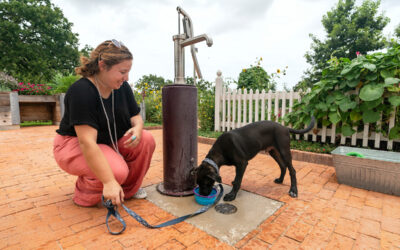
Protect Pets During “Dog Days of Summer”
With 100-degree days expected to stay for a while, Animal Shelter staff and experts from Texas A&M AgriLife encourage Texans to incorporate precautions to protect pets from heat stress and help properly regulate their body temperature.
What to Do to Avoid Ozone Action Days, Power Grid Alerts
With the official start of summer this week, you may hear the phrase “Ozone Action Day” more frequently in the news.
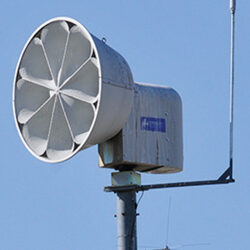
Don’t Be “Surprised” by Summer Storms
As evident by recent weather, rainstorms often develop very quickly. Weather alerts can prevent being caught unaware and give you a chance to take cover.

What to Do About “Storm Spots” on Grass
If you’re worried about the health of your lawn while waiting for curbside storm debris piles to be removed, here’s some advice on how to avoid large dead grass “storm spots”:
Drain Standing Water to Help Control Mosquitoes
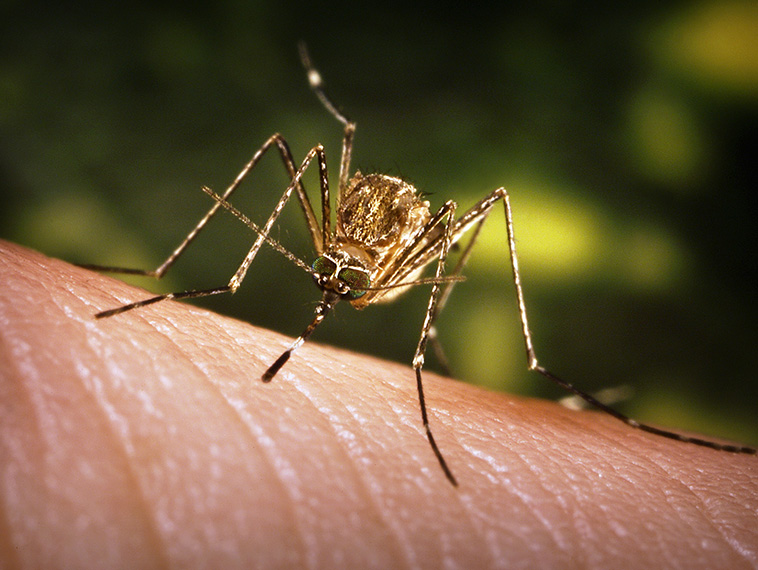
With recent steady rainfall, the City is reminding residents to protect themselves from mosquitoes by following The Four D’s of Protection, including to DRAIN standing water.

Clean Air Action Day is Today; Commit to Helping Improve Air Quality
Air North Texas, a division of the North Central Texas Council of Governments, has designated today, June 7, as 2024 Clean Air Action Day, and is encouraging everyone to commit to doing at least one thing regularly to help improve air quality.
Be in the Know About Poison Hemlock
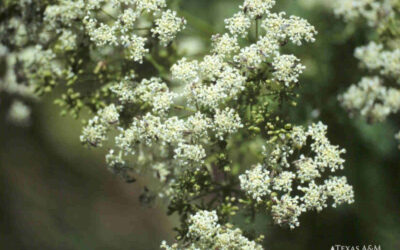
Though poison hemlock was once considered a weed to watch for if you lived in the southern half of Texas, North Texans now need to be more aware, as sightings in the Dallas area began more frequently last year.