

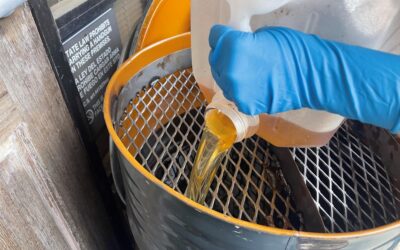
Trash Bash Cooking Oil/Grease Collection Rescheduled
The Residential Cooking Oil/Grease Collection event that was scheduled as part of Trash Bash has been rescheduled. People can drop off used cooking oil and grease at the Service Center, 1260 Columbia Dr., April 29-May 10.
Texas City Nature Challenge Begins Today
The Texas Parks & Wildlife Department and Texas Master Naturalists are encouraging all Texans to participate in the Texas City Nature Challenge, part of the City Nature Challenge 2024 Global Project, which began today (April 26) and continues through April 29.

Electronics Accepted Year-Round at Dallas County HCCC
If you still have electronics on hand that were destined for last week’s Trash Bash/RCPAAA Electronics Recycling (which was canceled due to rain), you can still dispose of them responsibly by taking them to the Dallas County Home Chemical Collection Center (HCCC) during regular business hours Tuesdays-Thursdays each week and, in addition, the second and fourth Saturdays of each month.
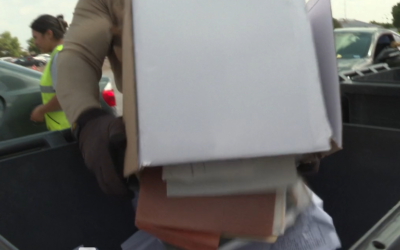
What to Do with Shredded Paper
Did you know that most recycling centers, like the one that serves Richardson, do not accept home-shredded paper?
Ways to Safely Dispose of Lithium-ion Batteries
Keeping Lithium-ion (Li-ion) batteries out of the trash not only helps the environment, as the batteries can leak toxic chemicals, but it prevents fires.
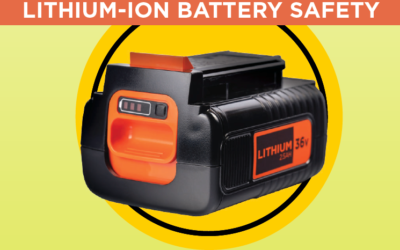
Lithium-ion Battery Safety
Lithium-ion batteries are small, yet they store a large amount of energy. They come in different shapes and sizes and are often used to power devices such as cellphones, laptops, e-scooters and e-bikes, e-cigarettes, smoke alarms, toys and even cars.

How to Keep Eclipse Glasses Out of the Landfill
Got leftover solar eclipse glasses? There’s a charitable organization that can put them to good use – Astronomers Without Borders has been sending solar glasses for annular and total solar eclipses around the world since 2008, getting them to people who may not otherwise have a safe way to view a solar eclipse directly (there are two per year), including locales in South America, Asia and Africa.

Time to Start Gathering Items for April 20 Trash Bash
The City’s annual Trash Bash takes place Saturday, April 20 and will continue the tradition of collecting household items in addition to trash and recyclables.
Annual Chlorine Maintenance Period Concludes
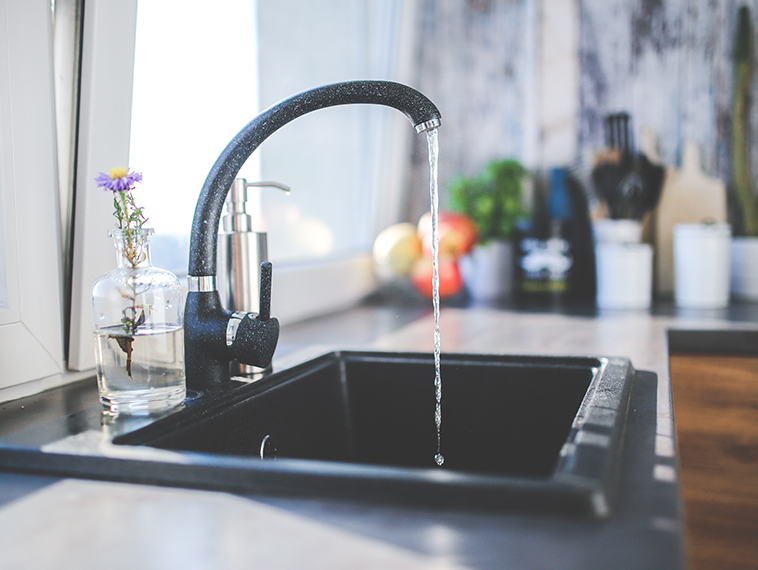
The annual 28-day chlorine maintenance conducted by the North Texas Municipal Water District (NTMWD), Richardson’s water supplier, ended Monday, April 1.
Evening Lawn Watering for Next Seven Months as Summer Water Conservation Begins
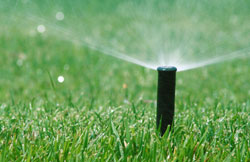
Richardson’s annual summer water conservation plan began this week, which helps to reduce the amount of water lost to evaporation.