City’s Wildflowers are in Bloom
Wildflowers have started to make their annual appearance in the City’s medians and parks, along...



Wildflowers have started to make their annual appearance in the City’s medians and parks, along...
Volunteers with the Richardson East Rotary Club (RERC) held a service event recently to maintain...

Huffhines Recreation Center (Meadows East room), 200 N. Plano Rd.Admission: Free; registration...
Richardson began its annual summer water conservation plan this week, to help reduce the amount of water lost to evaporation during higher temperatures.

The annual 28-day chlorine maintenance conducted by the North Texas Municipal Water District (NTMWD), Richardson’s water supplier, ended Monday, March 30.

Volunteers from Collin County came together last Sunday for a Stormwater Drains Marking event in collaboration with the City’s Health Department and organized by global nonprofit DSNDP.
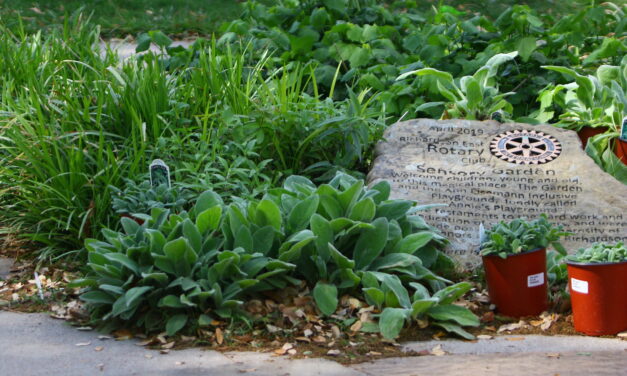
Volunteers with the Richardson East Rotary Club (RERC) held a service event this week to maintain and further develop the sensory garden located adjacent to the City’s Ann Eisemann Inclusive Playground at Cottonwood Park.

An adventurous nature walk through Breckinridge Park designed specifically for children ages 5-8. Led by a Texas Master Naturalist, this walk is a great opportunity to learn about the natural environment we have right here in Richardson. Part of Richardson’s Urban Naturalist program.

Starting Wednesday, April 1, Richardson begins its annual summer water conservation plan to help reduce the amount of water lost to evaporation during higher temperatures. The plan reduces the times for sprinkler system irrigation to evening, night and early morning hours on designated days each week, depending on address—even-numbered addresses may water on Tuesdays and Saturdays and odd-numbered addresses may water on Wednesdays and Sundays.
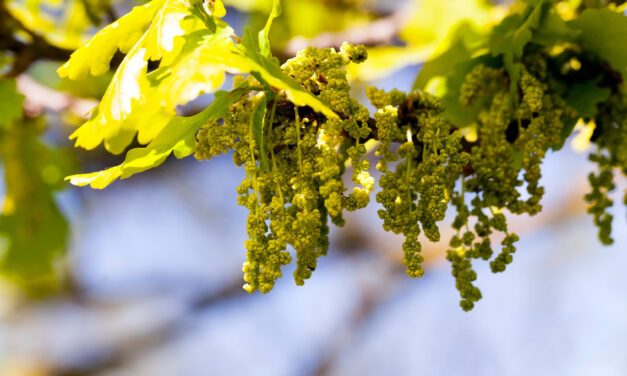
Spring winds normally blow oak tree “tassels,” or “catkins,” around North Texas every March, causing them to pile up in yards, streets and on cars, like snow, and with recent high winds, you’re probably seeing a lot of them. The yellowish-brown wormlike “strings” are technically known as aments, the male flower parts of the oak trees, and they fall to the ground once their pollen is released. Depending on the location of the tree, the aments can create a yard nuisance, but experts with the Texas AgriLife Extension Service say they can serve a useful purpose as a nutrient-rich, short-term mulch in flower beds and vegetable gardens or they can be mowed into the lawn, where they quickly break down. They can also be added to a compost bin/pile (see below for information about a free upcoming composting workshop).
